

What is Plastics Rotomolding ?
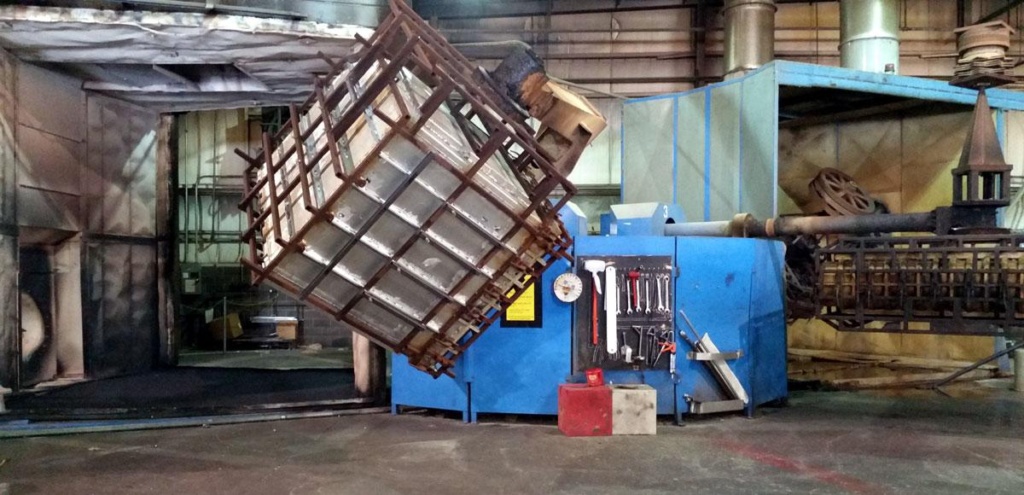
Plastics Rotomolding , or rotational molding , is a production method applied to create worthless plastic products by heating and spinning shapes filled up with powdered polymer. This method assures uniform wall depth and enables the creation of complex patterns which can be hard to accomplish with other techniques. In the Rotomolding mid-point of this method, the plastic powder touches and coats the mold equally, leading to durable and supreme quality products.
Why Pick Rotomolding Over Other Techniques?
Statistically, rotomolded products display higher impact opposition and longevity compared to injection-molded or thermoformed alternatives. According to industry surveys, products and services built applying rotomolding can last 20–30% lengthier below major utilization conditions. Also, the procedure minimizes spend, as surplus polymer can frequently be recycled back in production.
What Products Are Frequently Applied?
Rotational molding generally uses polyethylene because mobility, energy, and chemical resistance. Different polymers, like polyvinyl chloride (PVC) and polypropylene (PP), may also be used in certain applications. Data from production studies indicates that around 70% of rotomolded products in the professional industry use polyethylene for tanks, pots, and other equipment.
What Products and services Are Usually Built Using This Process?
Plastics Rotomolding enables the development of diverse things, from storage tanks and water tanks to automotive components and playground equipment. A recently available industry record indicated that the water storage and recreational item areas take into account a lot more than 60% of rotomolding generation globally.
How Does the Method Function?
The method requires four major measures:
Form Planning – Washing and pre-heating the mold.
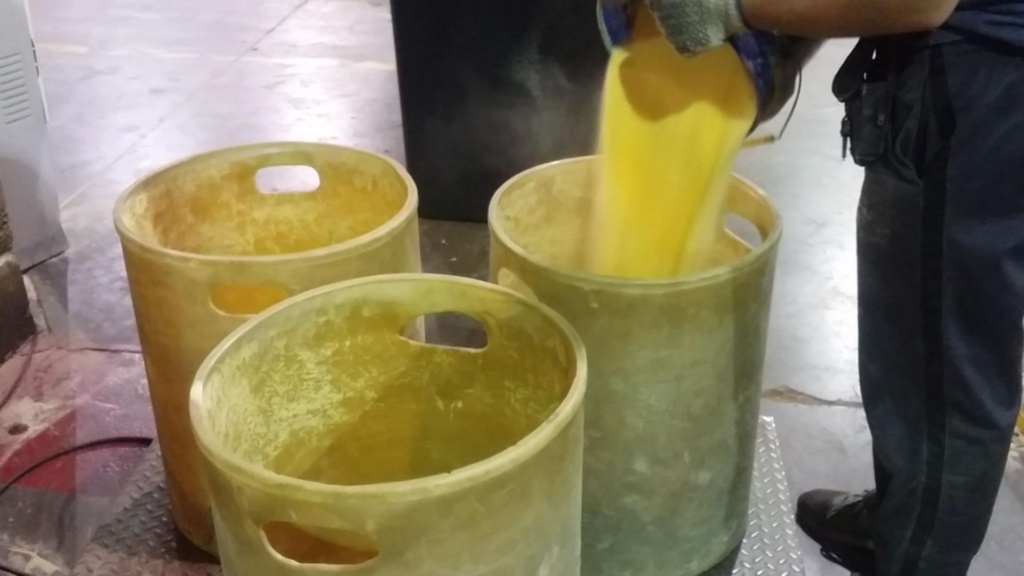
Filling Plastic Powder – Adding the complete level of plastic granules.
Heating and Twisting – Heat the mold while twisting on numerous axes to equally coat the interior.
Cooling and Demolding – Steadily chilling the mold to steadfastly keep up form and eliminating the finished product.
What Will be the Critical Benefits?
Cost-effective for medium-sized generation runs.
Provides complicated patterns with little tooling changes.
Decreases internal stresses in the merchandise, enhancing durability.
Capable of establishing positions and fittings during molding.
Are There Restrictions?
While rotomolding offers many advantages, it's slower than shot molding for high-volume production. Also, it's less suitable for producing pieces with exceptionally slim walls or really limited tolerances.
Conclusion:
Plastics Rotomolding is just a flexible, trusted, and significantly popular production process. Their statistical benefits in longevity, style freedom, and spend decrease make it a compelling choice for firms and industries focused on top quality plastic products. By understanding the procedure, materials, and purposes, businesses can make knowledgeable decisions to control rotomolding due to their generation needs.